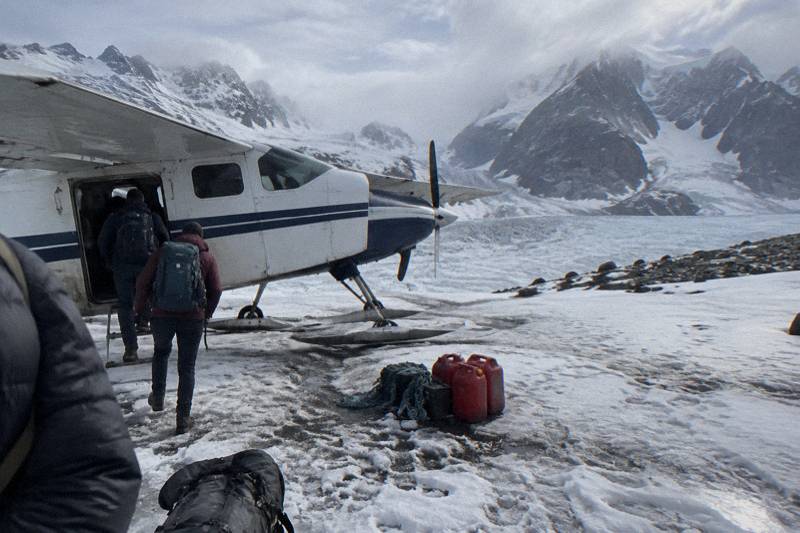
Is A Helicopter Glacier Landing Flight Safe?
How glacier landing flights over the Tasman Glacier and Aoraki / Mount Cook are regulated, briefed and flown, with the safety practices operators themselves describe.
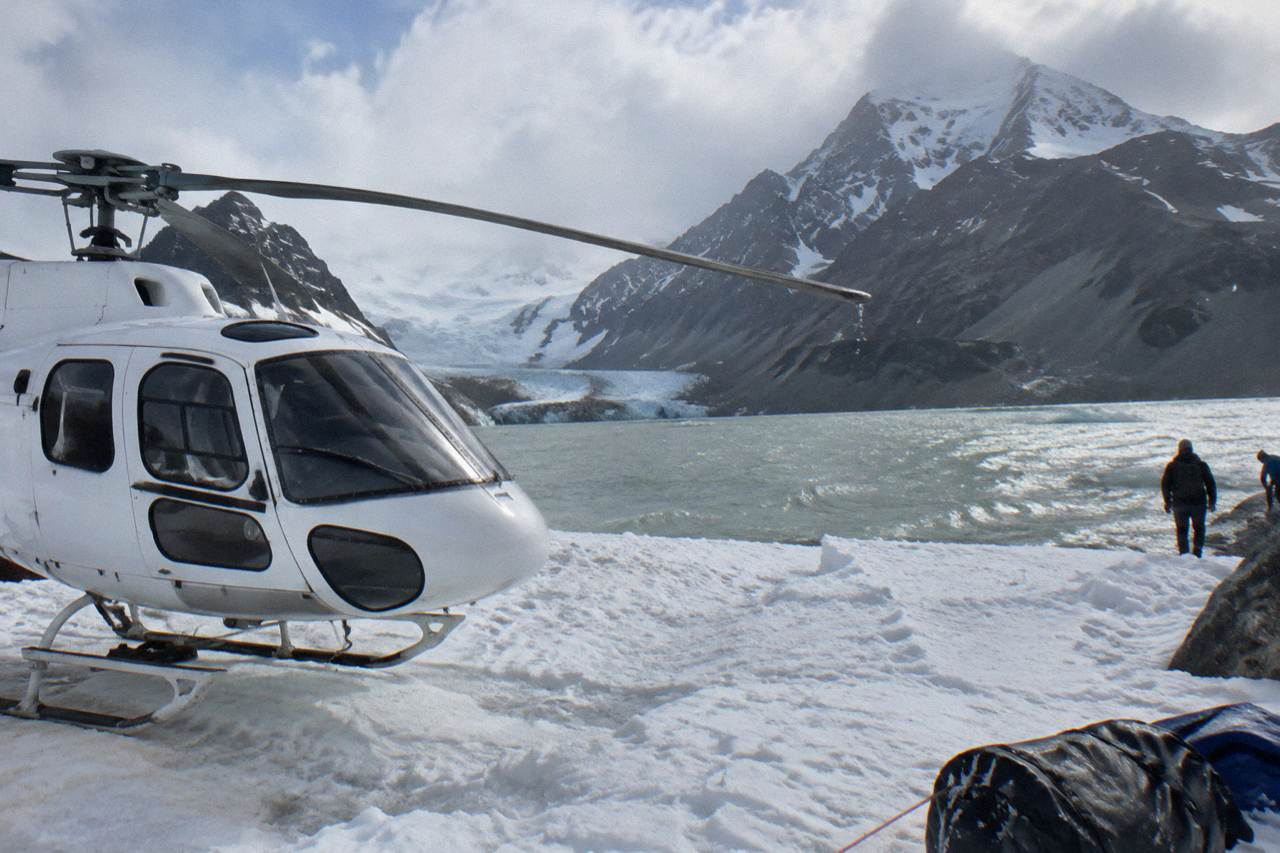
Nobody honest will call a glacier landing flight unconditionally safe, but the operators themselves are open about how the day is run: each one makes its own weather call right up to departure, the pilot decides on the day whether a landing can go ahead, and a few operators weigh passengers or ask heavier passengers to say so at booking. Of the 34 flights covered here, 16 include a glacier landing and 9 a snow landing, and every one of those landings depends on the pilot's judgment that morning. The safety case is built from regulation, briefing and weight checks rather than reassurance, and this page walks through each piece of it as the operators and the Department of Conservation describe it.
A glacier landing flight puts a helicopter or ski plane down on ice or snow high in the Southern Alps, often around 2,200 m on the Tasman Glacier by operator description, then lifts off again after a short time on the surface. That is a routine operation for the companies that fly it daily, but it is still alpine aviation: weather can change fast, the landing surface is remote, and the aircraft's performance depends on its loaded weight. So the system around the flight is designed to remove guesswork, from the moment you are weighed at check-in to the moment the pilot decides whether the landing site is workable.
The Department of Conservation, which manages Aoraki / Mount Cook National Park, notes that avalanches can occur in any season in this terrain, a reminder that the mountains the flights cross are genuinely dynamic rather than a static backdrop. Pilots plan for that reality rather than against it. The sections below cover the regulation, the weight and balance system, the briefings, the weather decision, and what actually happens on the snow, using only what the operators and official sources say.
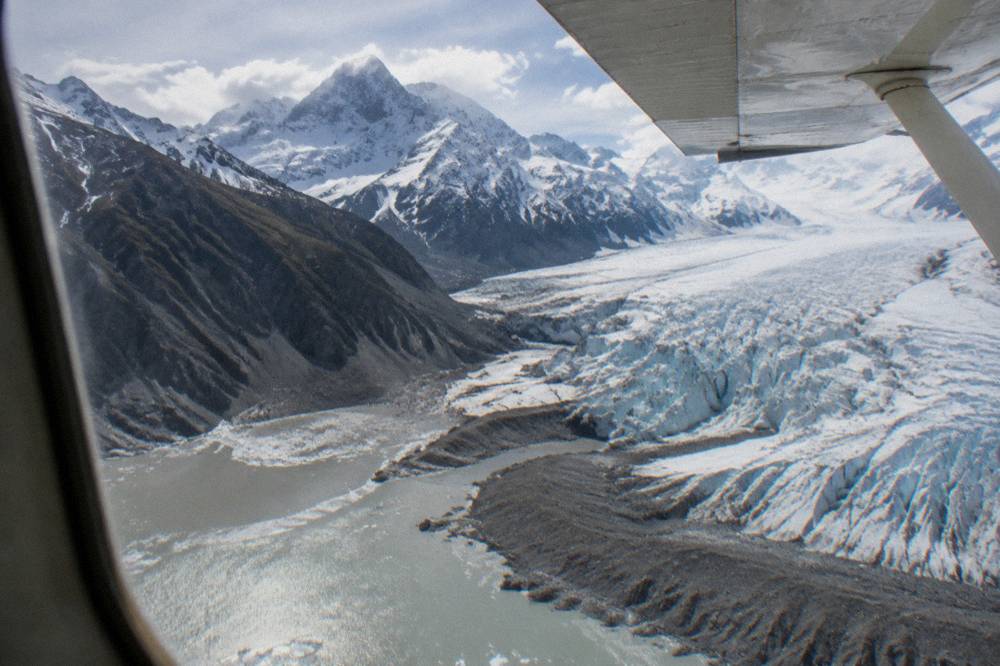
If you are deciding whether to book, the most reviewed glacier landing flight at Mount Cook is a sensible place to start: the Ski Plane and Helicopter Glacier Combo Flight, 4.7 across 380 reviews, from $280 per person, a 45-minute experience combining both aircraft types with a glacier landing on the Tasman. Two heli hike options, where a glacier landing is the start of a guided walk, sit alongside it below.
Who Regulates Helicopter Glacier Landings At Mount Cook?
Operators disclose elements of risk to passengers, and the daily safety calls sit with them: each company makes its own weather call, and the pilot decides on the day whether a glacier landing can go ahead. A few operators weigh passengers at check-in, or ask heavier passengers to say so at booking; for anything else, ask the operator before you fly.
What that means in practice is layered. The aircraft is certified and maintained on a scheduled programme. The company holds an air operator certificate, which is a continuing approval rather than a one-off licence. Where an operator briefs passengers before boarding, the booking page says so.
The operators also describe the limits honestly. Glacier Helicopters, which flies from bases at Aoraki / Mount Cook, Fox Glacier and Franz Josef, says in its own frequently asked questions that it tries for a landing and tells guests at check-in if one may not happen. That is the tone to expect across the industry: a landing is offered when conditions permit, and the pilot decides, which is exactly the behaviour a well-run operation should show. The Department of Conservation's park information at Aoraki / Mount Cook National Park adds the terrain context, including the year-round avalanche potential, without which any safety discussion would be incomplete.
Why Are Passengers Weighed Before A Glacier Flight?
Weight matters because an aircraft's centre of gravity and lift margin depend on where each person sits; The Helicopter Line weighs every passenger at check-in, Mount Cook Ski Planes and Helicopters says passengers may be weighed at check-in on certain experiences, and Air Safaris asks heavier passengers to tell the operator when booking so loading can be planned safely. This is the single most visible safety procedure on any glacier landing flight, and it is not about body shaming, it is arithmetic. A helicopter climbing to a snow shelf at altitude has a thinner performance margin than one at sea level, and the weight distribution across the cabin is part of the calculation.
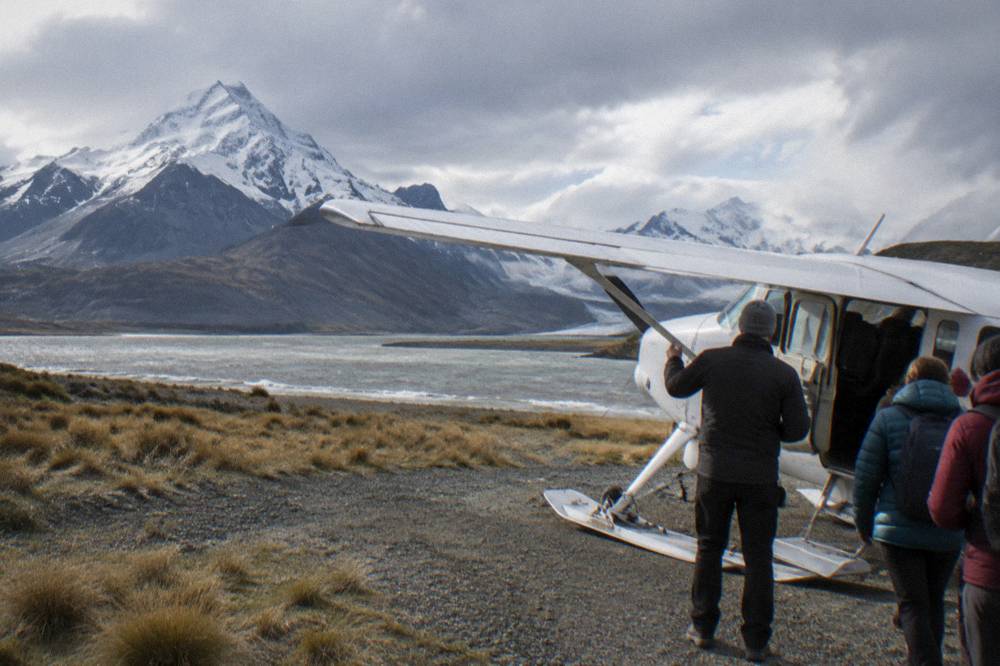
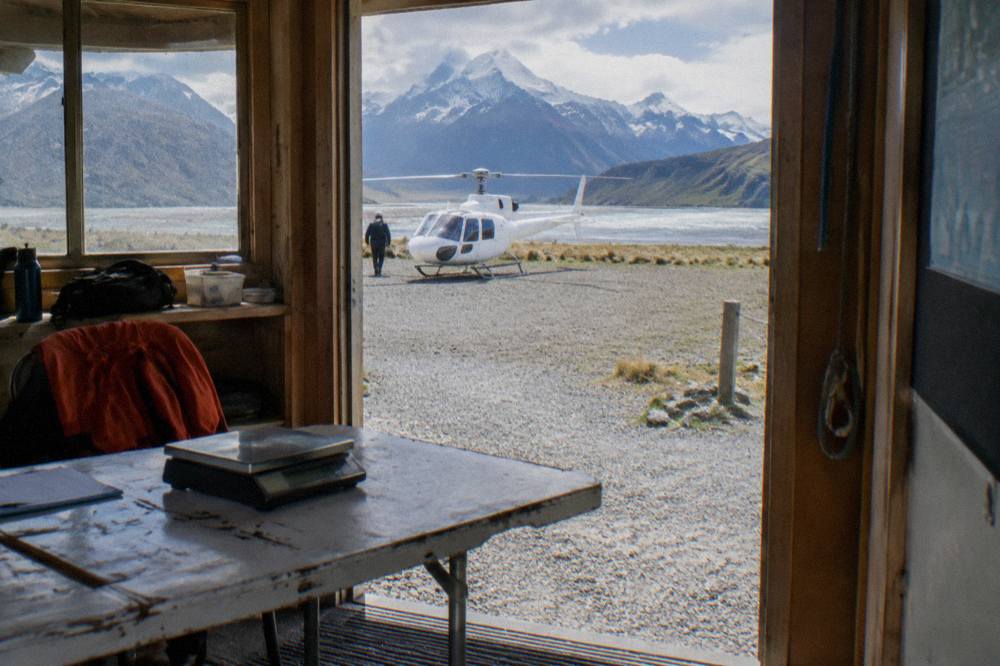
The Helicopter Line, which flies Mount Cook glacier landing flights from Glentanner Park, describes passengers being weighed at check-in. Mount Cook Ski Planes and Helicopters says the same thing in its own words: seats are assigned by weight and balance, not chosen, and its ski planes seat nine passengers in Pilatus Porter aircraft. Mount Cook Ski Planes and Helicopters also states a per-individual weight limit, generally 116 kg, and says passengers may be weighed at check-in so the load plan can account for it. Where a booking page for a specific flight lists a weight figure, it applies to that flight, not to glacier flights as a group.
A natural worry is that weight data is used for something other than safety. Operators describe it as a loading calculation only. The seat you end up in, front or back, left or right, is decided by the numbers, and the person at the desk is not scoring you, they are solving a weight and balance problem before the aircraft leaves the ground. Accepting that framing makes the whole check-in feel like what it is: the first step of a procedure the crew repeats many times a day.
What Happens In The Safety Briefing?
The Helicopter Line asks passengers to bring a warm jacket and a camera on a strap, and to leave loose scarves and bags behind; Mount Cook Ski Planes and Helicopters asks for warm layers, sunglasses and sturdy closed-toe shoes. A few operators weigh passengers at check-in, so ask the operator beforehand; the pilot makes the final call on whether a landing goes ahead. The Helicopter Line's guidance is typical of the genre: bring a warm jacket, sturdy closed-toe shoes and sunglasses, keep a camera on a strap, and leave loose scarves and bags behind, anything that could become a hazard near a rotor.
The landing part of the briefing matters most for a glacier flight. On the snow, the area around a running or recently stopped helicopter is controlled space: you exit where the pilot indicates, you stay in the group, and you do not wander to photograph the scenery until the crew says the site is clear. Landing sites are typically 1 to 3 degrees cooler than the airport by operator description, the snow glare is strong, and the surface underfoot can be firmer or softer than it looks, which is why sturdy shoes and sunglasses are standard advice rather than optional extras.
Some items are prohibited outright. Mount Cook Ski Planes and Helicopters states that drones and selfie sticks are not allowed on its flights, and recreational drones are banned anywhere in the national park by Department of Conservation rule regardless. The reasoning is the same for both: objects near an aircraft, and aircraft near other aircraft, are managed risks.
Who Decides Whether The Landing Happens?
The pilot decides, on the day, and the decision can come at any point from early morning to about ten minutes before departure; Glacier Helicopters tells guests at check-in if a landing may not be possible, The Helicopter Line makes its final weather call about an hour before departure, and Mount Cook Ski Planes and Helicopters warns its guests the call can arrive late, which is why operators suggest booking the first day of a stay. No ground staff member, booking system or brochure promises a landing. The phrases differ slightly between companies, but the substance is identical: the weather and the pilot decide.
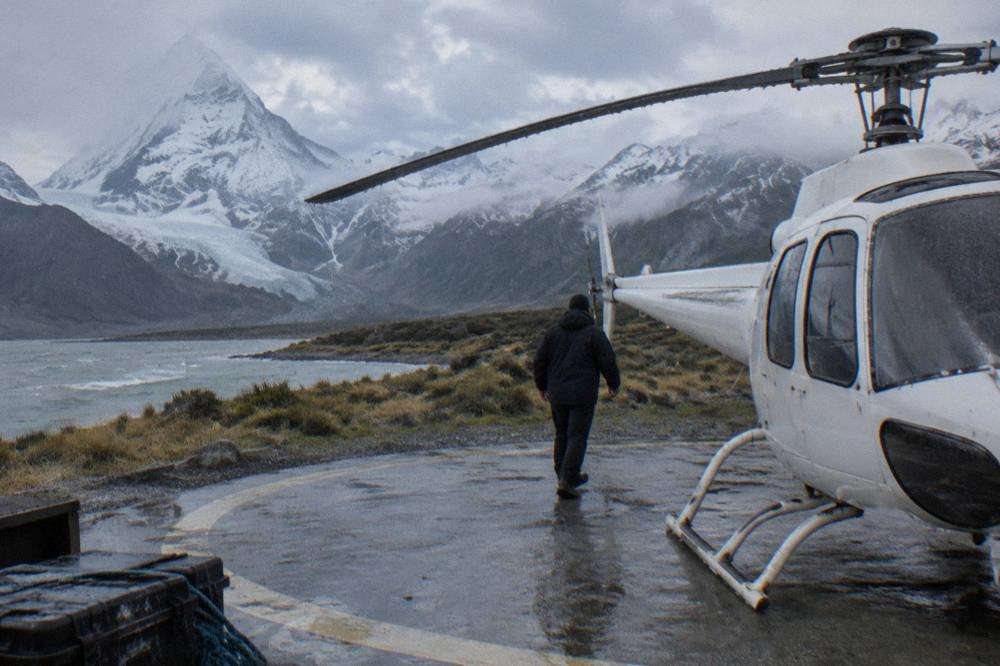
This is worth understanding before you book, because it shapes expectations. A flight can run beautifully and still skip the landing if the landing site itself is poor, wind or cloud or surface conditions can rule out a snow shelf while leaving the scenic route open. Conversely, a morning that looks doubtful from the village can clear enough by mid-morning to allow everything. Operators price and describe their flights with that flexibility built in. The booking page for the 25-minute scenic helicopter flight with alpine landing from Mount Cook Ski Planes and Helicopters, for example, states that if a tour is cancelled due to weather conditions you will be offered a new tour within 30 minutes or a full refund. For a closer look at where these flights actually touch down, the guide to helicopter landing flights around Mount Cook explains the glacier and alpine landing sites, what each flight costs and who makes the final call.
The practical consequence for a nervous reader is scheduling. Book the first day or two of your stay at Mount Cook rather than the last, so a weather hold leaves room to retry. NIWA's seasonal outlook for November 2026 to January 2027 favours above-normal rainfall in the Southern Alps, which is a reason for buffer time, not a reason to stay away. Air Safaris, a fixed-wing operator from Lake Tekapo, says in its own wording that it flies on up to 85 percent of days in its October to April main season, and its standing advice, book your first available day, is the same idea in plainer form.
| Operator | How the landing decision is described | Advice the operator gives |
|---|---|---|
| Mount Cook Ski Planes and Helicopters | The weather decision can come from early morning to about 10 minutes before departure | Book the first day of a stay |
| The Helicopter Line | Final weather call about an hour before departure | Weather cancellation means a new date or a full refund |
| Glacier Helicopters | Tries for a landing, tells guests at check-in if one may not happen | Landing routes may vary at the pilot's discretion |
| Southern Lakes Helicopters | All flights are weather dependent | - |
| Glacier Country Helicopters | Weather policy: see the booking page | - |
Are Snow Landings And Glacier Landings Different Risks?
They are the same class of operation with different surfaces: a glacier landing touches down on a named glacier, most often the Tasman, while a snow landing touches down on snow where the glacier is not named, and an alpine landing sets down on a mountain site that is not a glacier at all; the pilot's decision process, the weight checks and the briefings are the same across all three. Among the flights covered here, 16 list a glacier landing, 9 a snow landing with no glacier named, 4 an alpine landing, and 3 fixed-wing flights with no landing, and the vocabulary matters because it tells you what the aircraft will be standing on.
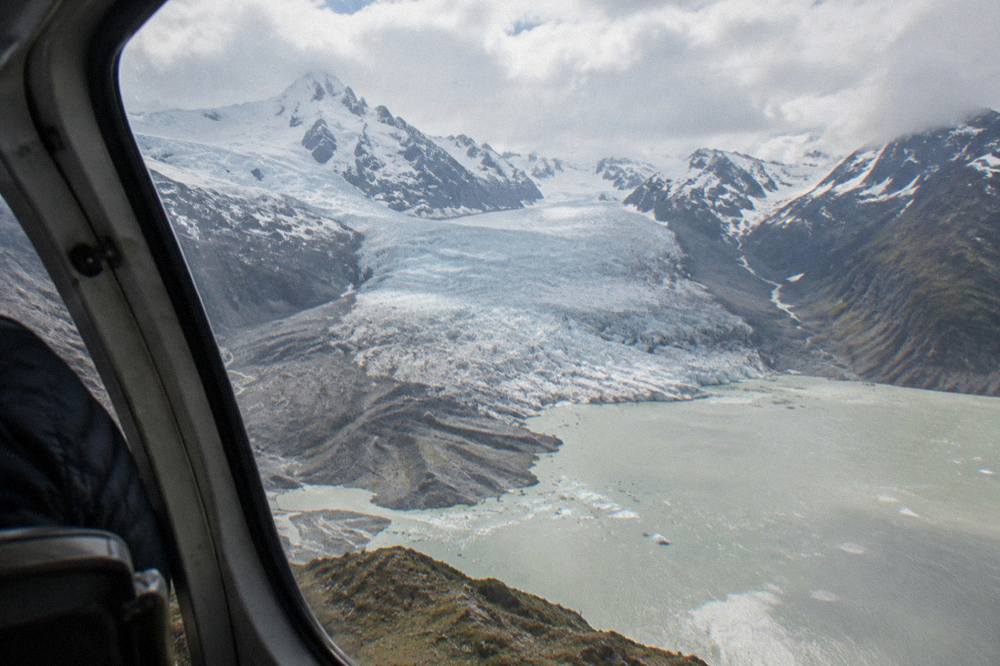
The Tasman Glacier, New Zealand's largest and longest at about 23 km by Department of Conservation figures, is the usual landing surface for Mount Cook based flights, with landing flights reaching about 2,200 m by operator description. West Coast flights from Franz Josef and Fox Glacier mostly describe snow landings on high snowfields. Mount Cook Ski Planes and Helicopters adds one seasonal nuance: its snow landings on the Tasman are possible through the year, while its alpine landing sites, such as Brass Peak or Liebig Dome, may be snow-free in the heat of summer, roughly December to March, in the operator's soft wording. A landing without snow is still a landing; it is simply a rocky one, and the pilot judges the surface on the day.
The risk profile does not change much between these landing types because the controlling variables, weather, weight, surface condition and pilot judgment, are shared. What changes is the scenery and, on a glacier, the terrain's movement underneath. Glaciers shift, and operators account for that when they pick a landing spot, which is one reason the specific site is chosen on the day rather than sold in advance. If you want to dig into the distinctions before choosing, the guide on whether an alpine landing equals a glacier landing breaks the differences down flight by flight.
How Does Weather Cancel Or Change A Flight?
Each operator sets its own weather terms, and they differ: Mount Cook Ski Planes and Helicopters products state flights may be cancelled due to weather conditions, The Helicopter Line offers an alternative date or a full refund, one Mount Cook Ski Planes and Helicopters product states weather cancellations are 100 percent refundable, and Glacier Helicopters describes flights, landings and routes varying at the pilot's discretion. Separately from all of that, all 34 booking pages state free cancellation up to 24 hours before the start for a full refund, which is a booking-window rule and has nothing to do with weather. Keeping the two ideas apart is half of understanding the fine print.
Alpine weather is the honest constraint. The Southern Alps sit where moist air off the Tasman Sea is lifted rapidly, so cloud, wind and precipitation can arrive faster than a flatland visitor expects. Operators respond in two ways: they hold the go or no-go decision close to departure, and they frame their routes flexibly so a flight can be adjusted rather than lost. The NIWA end-of-summer snowline survey, flown annually since 1977 in a light aircraft, reported in March 2026 that retained snow on some glaciers was "only a stay of execution and not a reversal in the long-term decline of ice coverage", a climate finding rather than a flight safety one, but a reminder that the mountains these flights cross are measured and studied with real instruments year after year.
For the reader, the practical script is simple. Book early in the stay, check in at the time given in the booking email, expect the weather call late, and know which refund terms apply to the operator you chose. If a landing is the whole point for you, say so at booking and ask how that operator handles a flight that runs without its landing. The answers vary by company, and asking is the correct safety behaviour, not fussiness.
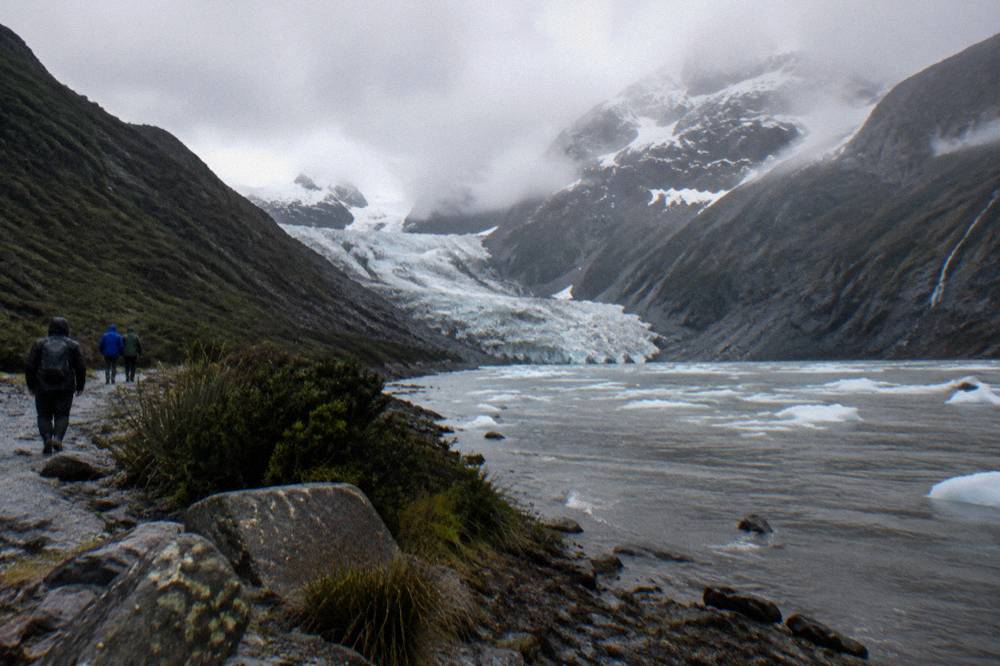
What About The Helicopter Itself And The Pilot?
Mount Cook Ski Planes and Helicopters flies Pilatus Porter ski planes that seat nine and helicopters that seat five to seven depending on weight, and other operators state their own fleets, with some weighing passengers at check-in and others asking heavier passengers to mention it at booking. Seat counts matter to a nervous reader for one reason: a smaller group means simpler loading, a more personal briefing, and a cabin where everyone hears the pilot through a headset.
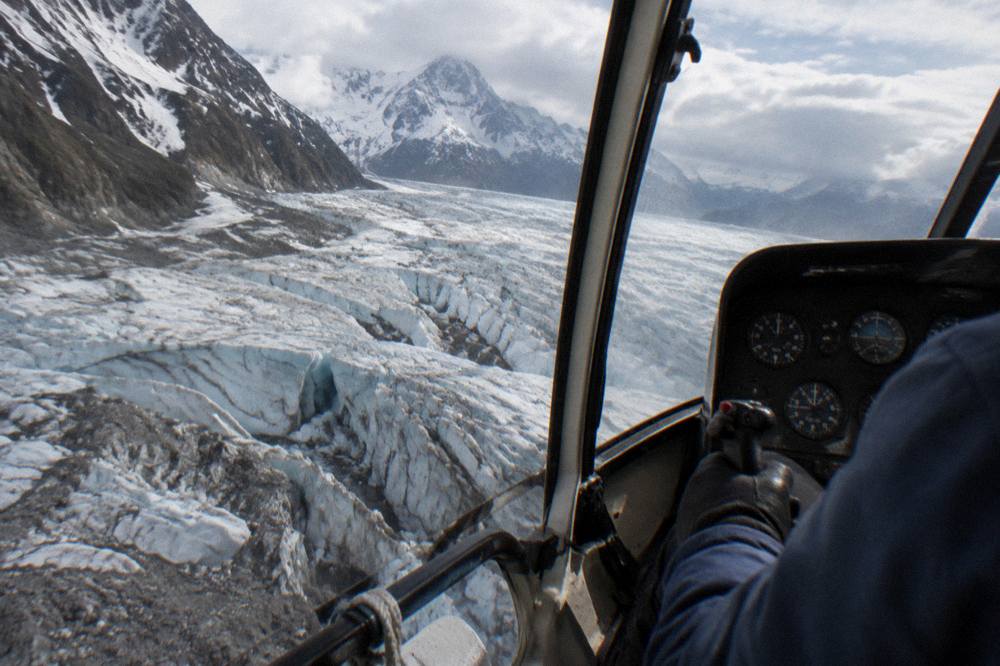
A ski plane is worth a special mention because it is distinctive to this region. Mount Cook Ski Planes and Helicopters is the operator most associated with them, and the 55-minute Grand Circle Ski Plane product lists a group maximum of eighteen, while its ski plane Glacier Highlights tour lists sixteen. The Ski Plane and Helicopter Glacier Combo Flight, the most reviewed glacier landing flight at Mount Cook at 4.7 across 380 reviews, from $280 per person for a 45-minute experience, deliberately puts you in both machine types with a glacier landing on the Tasman. The aircraft differences are about how they take off and land on snow, not about different levels of certification. If the ski plane version of the Grand Circle has caught your attention, the full guide to the Grand Circle glacier flight at Mount Cook covers the route, the operators who fly it, and how it differs from the helicopter option.
Pilot experience is harder to quantify from public material, and it is honest to say so without inventing figures. What the operators do publish is procedural: the weight and balance system, the late weather call, the landing-site choices made on the day, and the willingness to cancel. Those behaviours, repeated across companies that compete with each other, are the strongest available evidence that the decision culture in this industry is conservative. A company that cancels freely and refunds cleanly is telling you where its priorities sit.
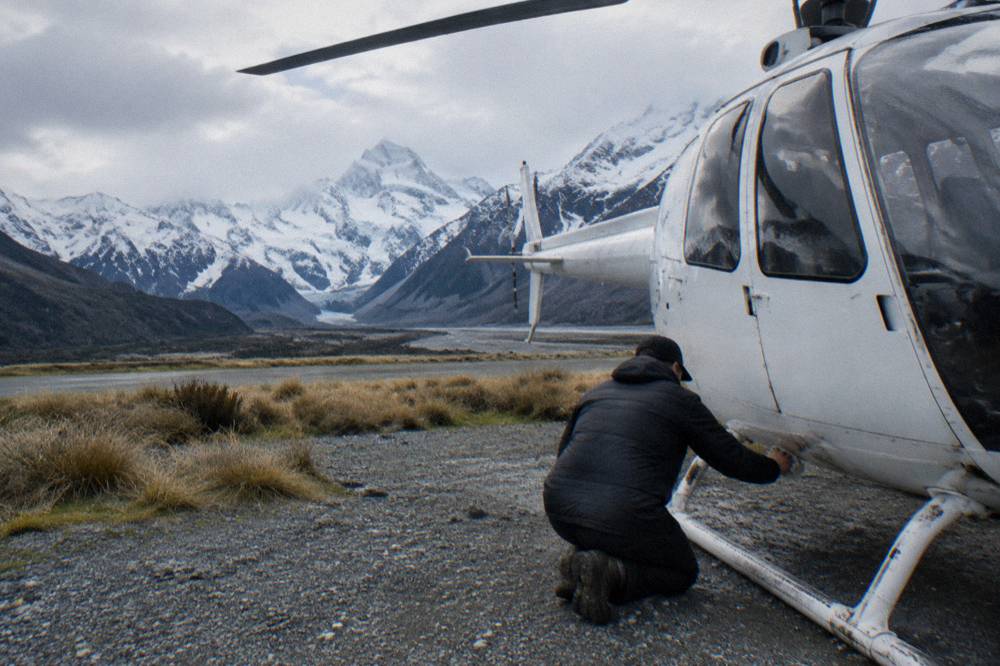
Is The Time Spent On The Glacier Dangerous?
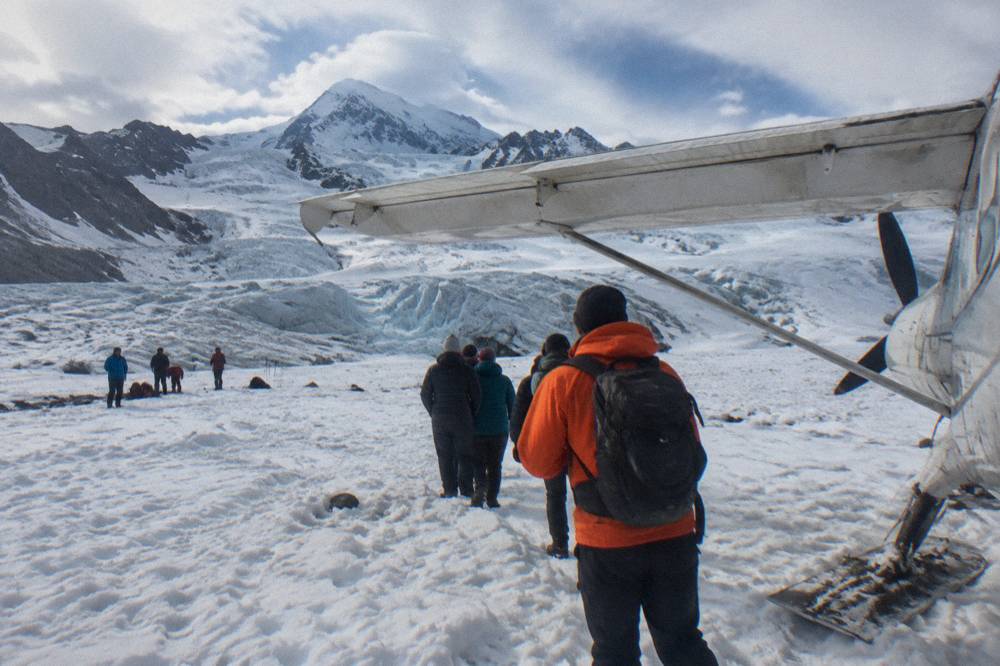
The time on the snow is the most controlled part of the experience: you stay with the group near the aircraft, follow the pilot's marked boundaries, wear warm layers, sunglasses and sturdy shoes, and the stop is short, with Mount Cook Ski Planes and Helicopters stating 10 to 15 minutes on snow for its Glacier Highlights and Grand Circle flights, 5 to 10 minutes on The Helicopter Line's Mountains High flight, and 10 minutes on its Fox Glacier snow landing flight. The stated snow times belong to those flights specifically; for any other flight, ask the operator. For a sense of how cold that brief stop on the snow actually feels, and what to pack for it, the guide to temperatures and clothing on a Mount Cook glacier landing covers the details.
The hazards on the snow are ordinary alpine ones: glare, cold underfoot, and the aircraft itself. Sunglasses are not a fashion suggestion, snow glare is strong and sustained. Landing sites run a degree or three cooler than the airport, so a warm layer earns its space even on a sunny day. On the guided heli hike products, the glacier time expands into a structured walk with guides, crampons and a rope of safety practices that a landing-only flight does not need.
The two 3-hour heli hikes illustrate the fuller version of a glacier landing day. The 3-Hour Tasman Glacier Helicopter Ride and Hike, 4.9 across 347 reviews, from $558 per person, pairs a glacier landing with up to two hours walking the Tasman with guides, 15 minutes of helicopter time each way. The Helicopter Line's 3-Hour Heli Hike to the Tasman Glacier, 4.8 across 270 reviews, from $558 per person, is the comparable product from that operator, and it is one of only three tours covered here that states hotel pickup and drop-off in Mount Cook Village. Both are weather dependent in each operator's own words, and both treat the glacier surface as terrain to be equipped for, not a theme park floor.
Walking on a glacier under guidance is a managed activity with its own equipment and rules, and the guides set the pace and the path. If the comparison with the walking alternative interests you, the article on whether flying beats walking to the Tasman Glacier weighs the two ways of meeting the ice.
What Can You Do Yourself To Fly Safer?
A passenger's own contribution is small but real: disclose your weight accurately at booking and check-in, wear warm layers, sunglasses and sturdy closed-toe shoes, arrive by the check-in time in the booking email, leave loose items behind, follow every instruction on and near the aircraft, and book early in your stay so weather has room to be rescheduled rather than fatal to the plan. None of this is demanding, and all of it is the passenger-side half of a system the operators cannot run without you.
Honesty at the scale is the part people trip over. Understating weight to avoid embarrassment is the single most counterproductive thing a passenger can do, because the entire load calculation, seats, fuel margin, landing performance, assumes the numbers are true. Mentioning a heavier body weight when booking, as Mount Cook Ski Planes and Helicopters asks, lets the operator plan around it quietly. Dressing for the surface is the other half: closed-toe sturdy shoes, a warm jacket, sunglasses, a camera on a strap rather than loose in hand, and no scarves or dangling items near a helicopter's rotors.
Booking strategy is also a safety behaviour. The weather decision can come late, so a same-day departure booked for your final hours in the village leaves no room to retry. Scheduling the flight for your first full day, as multiple operators advise in their own words, converts a cancellation from a lost experience into a reschedule. All 34 booking pages here state free cancellation up to 24 hours before the start for a full refund, so an early booking is a low-commitment hold on a weather-dependent plan. Mount Cook Glacier Flight exists to make exactly this kind of decision easier, with every option, price and landing type laid out for comparison.
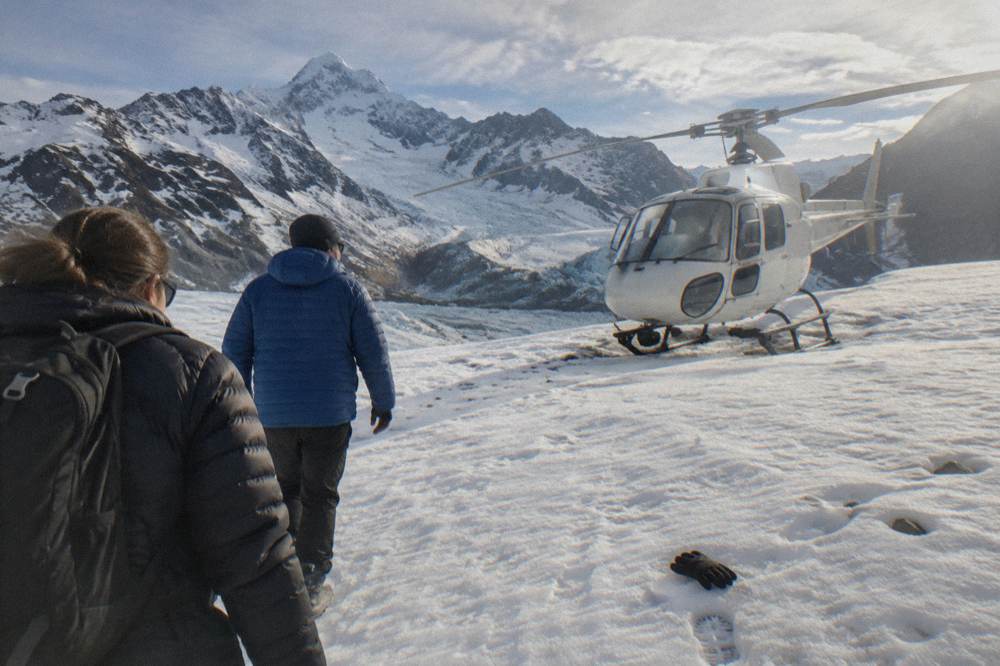
How Should A Nervous Flyer Read All This?
Read it as a system that expects problems and plans for them: each operator making its own weather call, a landing decision the pilot owns right up to departure, some operators weighing passengers at check-in or asking heavier passengers to say so when booking, free cancellation on every flight, and hundreds of passengers reviewing these flights across years of daily operation. Nowhere in that chain is anyone asked to be brave. The design goal is that safety does not depend on passenger nerve at all.
The review counts published on these flights are part of the picture, not as a promise but as scale: 536 reviews on the most reviewed flight covered here, 380 on the most reviewed glacier landing flight, 347 on the most reviewed heli hike. Those review pools reflect many seasons of flying across these operators. The voices in those reviews are left to speak for themselves; this page quotes no one, because the safety case rests on procedures rather than testimonials.
If the honest answer here, a heavily checked, pilot-decided, weather-humbled operation, sits well with you, the three flights below are the natural next comparison: the 45-minute combo with the biggest review pool, and the two 3-hour heli hikes that turn a landing into a walk on the ice.
Common Questions About Glacier Landing Flight Safety
Is A Helicopter Glacier Landing Flight Safe?
It is a closely managed operation rather than a risk-free guarantee: each operator makes its own weather call, the pilot alone decides whether a landing happens on the day, and a few operators weigh passengers at check-in or ask heavier passengers to say so at booking. Operators disclose elements of risk and cancel freely for weather, with refund or reschedule terms stated on the booking pages.
Who Makes The Final Call On A Glacier Landing?
The pilot. The decision can come from early morning to about ten minutes before departure, depending on the operator, and no booking page or ground staff member can promise a landing. Weather and surface conditions on the day decide.
Why Do They Weigh You Before The Flight?
Helicopter performance depends on total load and its distribution, so seats are assigned by weight and balance rather than choice. The Helicopter Line weighs passengers at check-in, and Mount Cook Ski Planes and Helicopters states a per-individual limit generally of 116 kg and asks heavier passengers to say so at booking.
Do Glacier Flights Get Cancelled Often For Weather?
Flights are weather dependent, and each operator states its own terms, from rescheduling offers to full refunds. Air Safaris, a fixed-wing operator from Lake Tekapo, says in its own wording it flies on up to 85 percent of days in its October to April season. Booking the first day of a stay leaves room to retry.
Is Standing On The Glacier Itself Risky?
The time on the snow is tightly controlled: you stay with the group, follow the pilot's boundaries, and wear warm layers, sunglasses and sturdy shoes. Stated snow times include 10 to 15 minutes on the Mount Cook Ski Planes and Helicopters Mount Cook landing flights and 5 to 10 minutes on The Helicopter Line's Mountains High flight.
What Should I Wear And Bring?
Warm layers, sunglasses for strong snow glare, sturdy closed-toe shoes and a camera on a strap. Leave loose scarves and bags behind, and note that drones and selfie sticks are prohibited on the flights of at least one major operator, and recreational drones are banned in the national park.