Glacier Landing Vs Flyover At Mount Cook: Is The Snow Stop Worth It?
A flyover shows you the glaciers from a window; a landing puts you standing on one. Here is how the two compare on price, time on the snow and what can change on the day.
Short answer
Of the 34 flights covered here, 16 offer a glacier landing, 9 a snow landing, 4 an alpine landing and 3 are fixed-wing flyovers with no landing. The cheapest alpine-landing flight is from $196.00 per person; the cheapest named glacier landing is from $280.00 per person. A landing is never promised: weather and the pilot decide on the day.
What Is The Difference Between A Glacier Landing And A Flyover At Mount Cook?
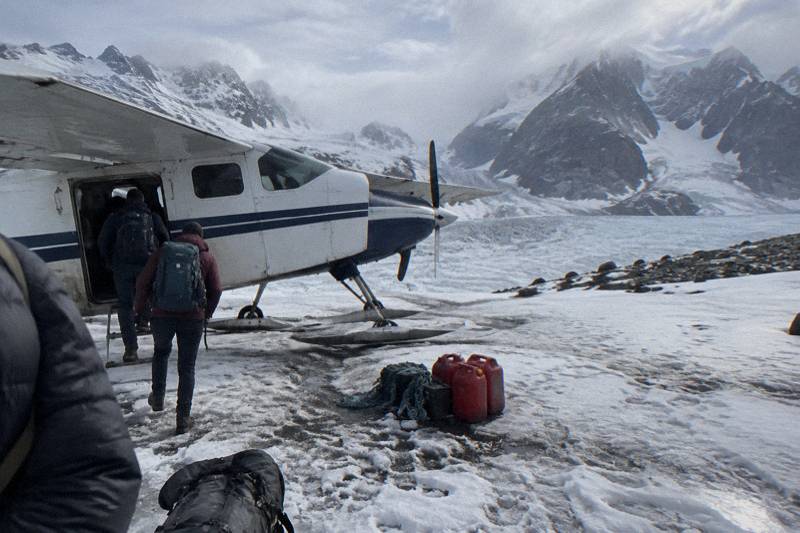
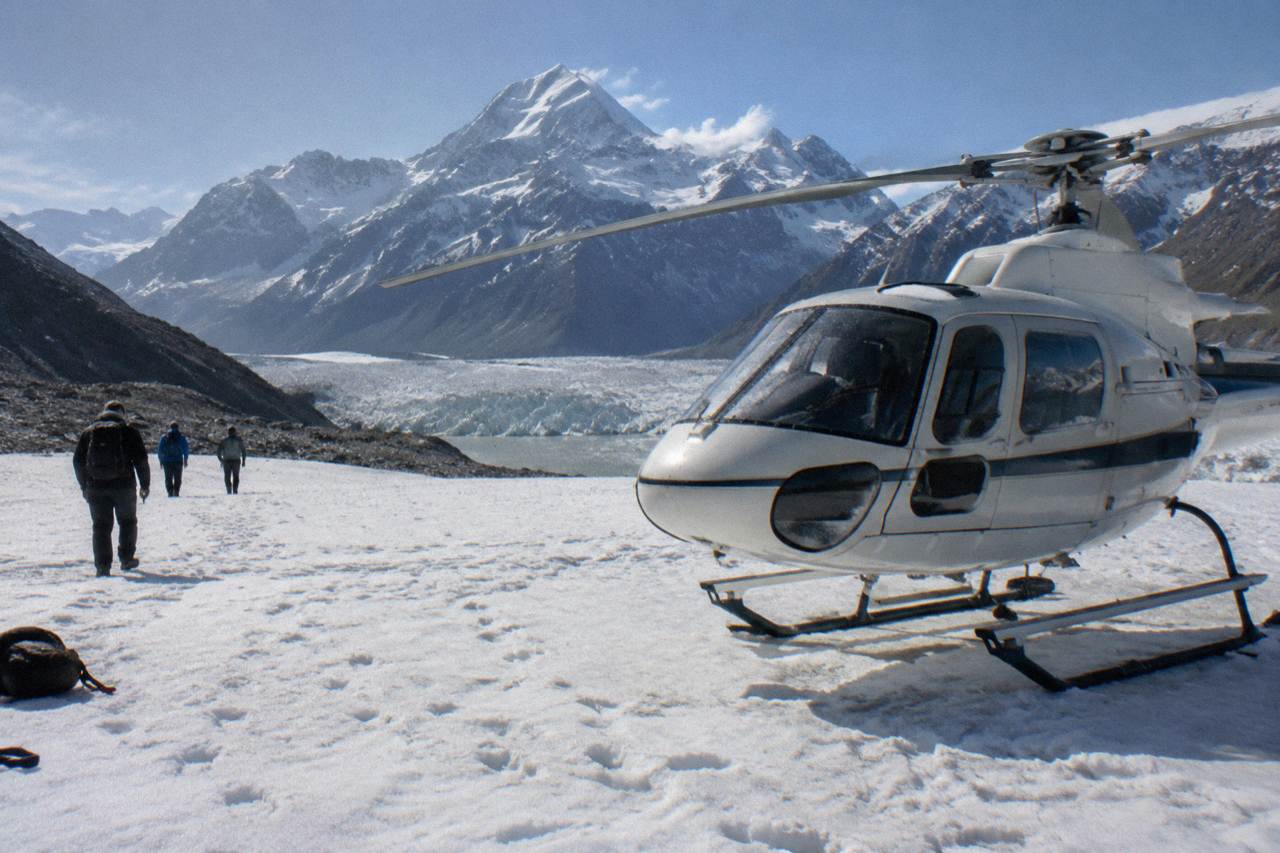
A flyover keeps you airborne for the whole trip: you see the Tasman, and sometimes the Fox and Franz Josef glaciers, through a window and never leave the aircraft. A landing flight adds a stop, usually 5 to 15 minutes on snow, on a glacier or an alpine site the pilot judges safe that day. Of the 34 flights covered here, 29 include some kind of landing, 3 have none, and 2 do not say.
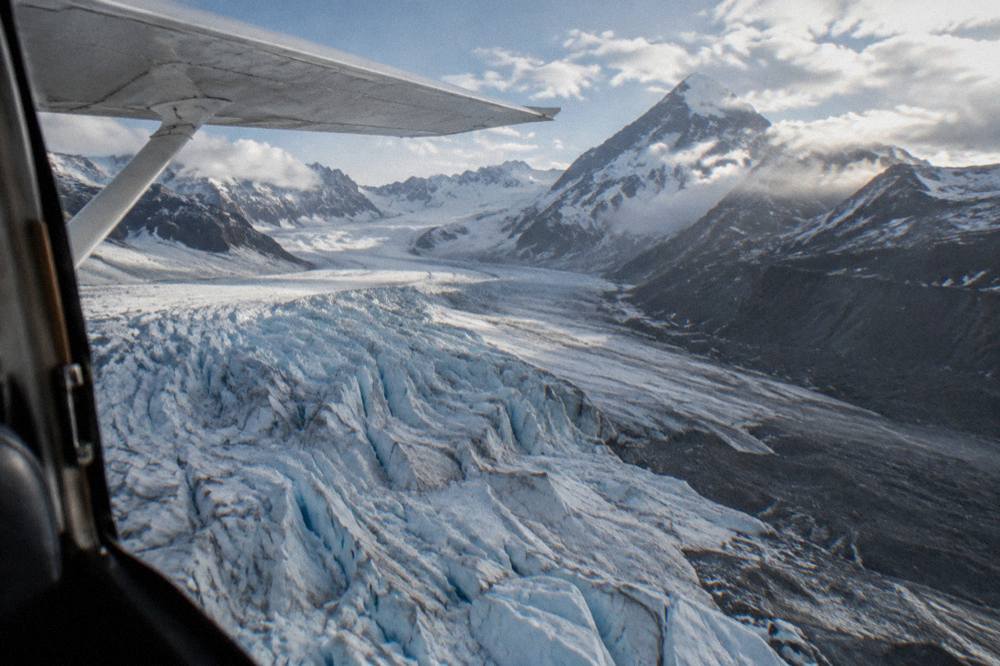
The distinction matters more than many first-time visitors expect, because the words are used loosely across the industry. A "glacier landing" means the aircraft sets down on a glacier, and on the Tasman, the landing flights reach about 2,200 m according to operator descriptions of the flight line. A "snow landing" means the aircraft sets down on snow without the booking material naming a glacier. An "alpine landing" means a mountain site such as a ridge or a peak shoulder, which may or may not hold snow depending on the season.
The pure flyovers in this comparison are fixed-wing flights. The Lake Tekapo: 50-Minute Mount Cook and Beyond Scenic Flight from Air Safaris is a 50-minute flight with no landing, rated 4.9 across 139 reviews, from $317.00 per person. The Queenstown day trips from Glenorchy Air and True South Flights are also fixed-wing with no landing, wrapping ground time at Aoraki / Mount Cook around the flying legs. For a fuller treatment of that trade, the guide to fixed-wing scenic flights from Mount Cook works through the aircraft question in detail.
Here is how the 34 flights break down by what the aircraft does at the far end of the journey. These are the counts from the flight details themselves, not promises: on any given day, weather and the pilot's judgement decide whether a landing happens at all. Treat the table as a map of what is on offer, not a schedule of what will occur.
| What the flight does | Flights | What it means |
|---|---|---|
| Glacier landing | 16 | Sets down on a named glacier, usually the Tasman |
| Snow landing | 9 | Sets down on snow, glacier not named |
| Alpine landing | 4 | Sets down on a mountain site, not a glacier |
| No landing | 3 | Fixed-wing flyovers, airborne the whole trip |
| Landing not specified | 2 | Route described, landing neither promised nor ruled out |
Aoraki / Mount Cook stands 3,724 m tall and glaciers cover 40 percent of the national park, so even a pure flyover is a dense hour of scenery. The Tasman, New Zealand's longest glacier at about 23 km, is even visible from the main highway at the park entrance, which is worth knowing on a day the cloud blocks flying. The Department of Conservation's park page covers the wider geography if you want the ground-level context alongside the flight plan.
How Much More Does A Glacier Landing Cost Than A Flyover At Mount Cook?
The cheapest landing flight of any kind here is from $196.00 per person, and it is an alpine landing rather than a glacier one: the Mount Cook: Scenic Helicopter Flight with Alpine Landing, rated 4.8 across 536 reviews. The cheapest flight with a named glacier landing is from $280.00 per person, the Ski Plane and Helicopter Glacier Combo. The cheapest flyover with no landing is from $317.00 per person. If those prices stretch the budget, the guide to free walks and glacier viewpoints around Aoraki / Mount Cook shows how much you can see without ever leaving the ground.
Read those numbers carefully, because the pricing ladder is not the one most people assume. The gap between "no landing" and "alpine landing" is negative here: the $196 alpine flight undercuts the $317 Tekapo flyover by a wide margin. That is because departure point, aircraft type and route length drive the fare at least as hard as the landing does.
| Flight | Type | Landing | Duration | From (per person) |
|---|---|---|---|---|
| Scenic Helicopter Flight with Alpine Landing | Helicopter | Alpine | 25 min | $196.00 |
| Helicopter Flight with Alpine Landing (Glacier Helicopters) | Helicopter | Alpine | 30 min | $221.00 |
| Ski Plane and Helicopter Glacier Combo | Ski plane + helicopter | Glacier | 45 min | $280.00 |
| Mt Cook and Fox Glacier with snow landing | Helicopter | Snow | 30 min | $271.15 |
| Mount Cook and Beyond Scenic Flight (Tekapo) | Fixed-wing | None | 50 min flight | $317.00 |
| Mountains High 40-Minute Helicopter Flight | Helicopter | Glacier | 40 min | $409.68 |
| 3-Hour Tasman Glacier Helicopter Ride and Hike | Helicopter + hike | Glacier | 3 hours | $558.00 |
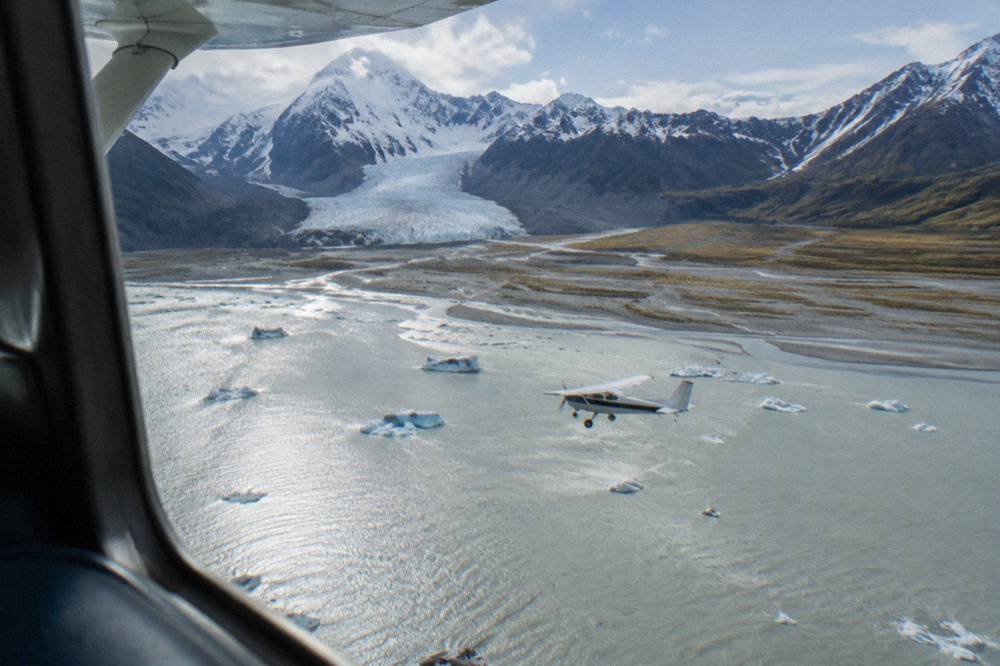
The landing premium, where it exists, is real but modest. The Helicopter Line's Mountains High 40-Minute Helicopter Flight at $409.68 with a glacier landing sits against its 55-minute Mount Cook and The Glaciers flight at $545.25 with an alpine landing, so within one operator you are mostly paying for minutes and route, not for the snow stop itself. Two private charters from Franz Josef are priced per group, from $1,494.27 and from $1,982.78, and they belong in no per-person comparison at all. For the full price picture across all six categories, see the Mount Cook glacier flight price comparison.
If your budget lands you in the landing camp, these three cover the spectrum: a 45-minute ski plane landing on the Tasman, a flyover from Tekapo, and the long heli-hike for travellers who want serious time on the ice. Each is a different answer to the same question, priced accordingly.
Which Mount Cook Flights Actually Land On A Glacier?
Sixteen of the 34 flights here specify a glacier landing, and nearly all of them land on the Tasman, New Zealand's longest glacier at about 23 km. Nine more specify a snow landing where the glacier is not named, four give an alpine landing on a mountain site, and the three fixed-wing flyovers land nowhere. A landing is planned, never promised.
Operator flight descriptions name the Hochstetter Icefall, the Grand Plateau and Plateau Hut on the Grand Circle lines, and landing flights on the Tasman reach about 2,200 m. On the West Coast side, only the Tasman Experience leaves the landing spot to the pilot's morning call; the Glacier Helicopters flights from Fox Glacier touch down on the glacier itself.
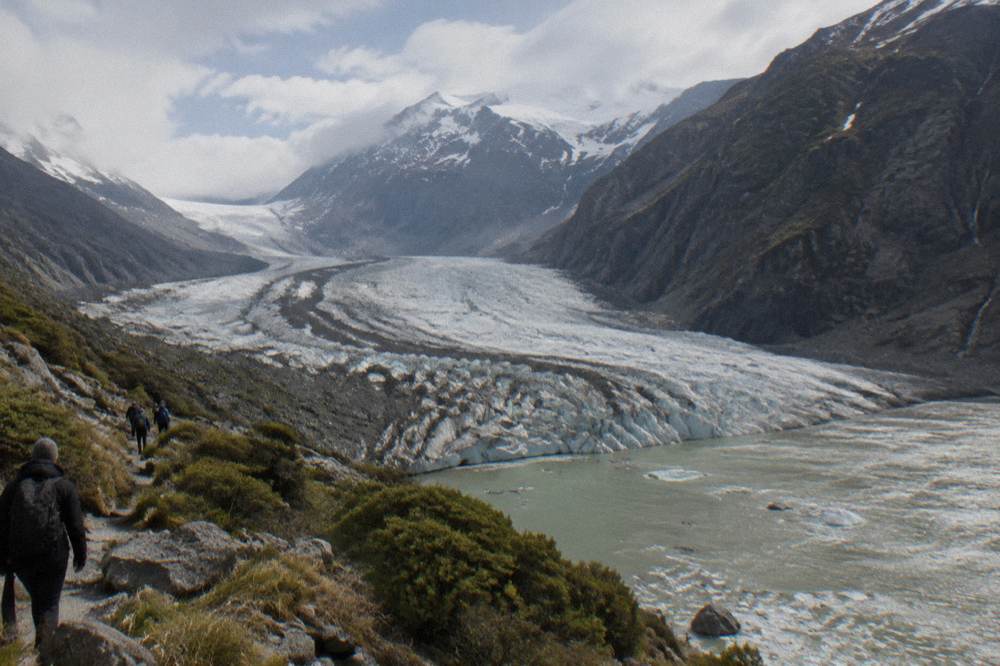
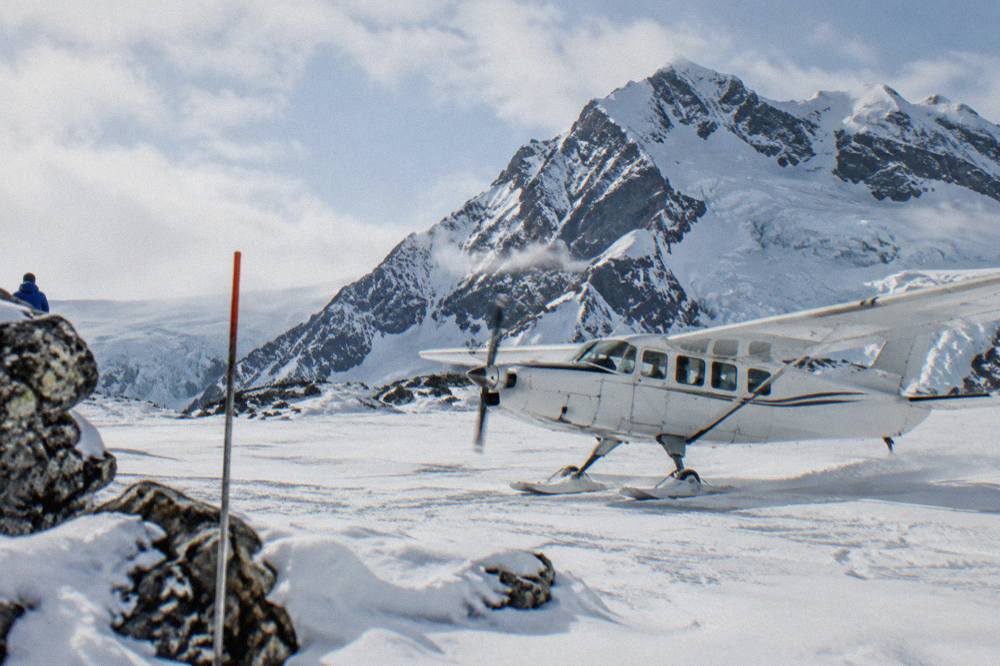
The ski plane deserves a special mention in this section, because it is the only aircraft type here that lands on skis rather than skids or wheels, and it exists almost solely for glacier work. The Ski Plane and Helicopter Glacier Combo flight from Mount Cook Airport puts you in both aircraft across a 45-minute experience with a glacier landing, rated 4.7 across 380 reviews, from $280.00 per person. It is the most reviewed glacier landing flight in this comparison and the cheapest named glacier landing among them, which is why it anchors this page.
One honest caveat belongs here rather than buried later: Glacier Helicopters says in its own guidance that it aims for a landing and tells guests at check-in if one may not happen. Glacier Helicopters sets this policy. Some readers weigh that risk against the certainty of scenery and conclude the flyover is the safer buy, a question this Mount Cook Glacier Flight guide works through flight by flight so the choice is grounded in real figures rather than brochure language.
Is A Snow Landing The Same As A Glacier Landing At Mount Cook?
No. A glacier landing names the ice you land on, usually the Tasman. A snow landing puts the aircraft down on snow without naming a glacier, often on a high basin or plateau. The flights read differently on the day too: a few booking pages state 5 to 15 minutes on the snow, and the others leave it unstated. The two words are close, but they describe different products.
The distinction bites hardest on the West Coast routes. Among the Franz Josef and Fox flights, the 30 minute Tasman Experience is the one where the landing site is chosen for conditions rather than for the glacier itself. The Ultimate Discovery: 3 Glaciers and Snow Landing flight from Franz Josef, rated 4.8 across 136 reviews and from $399.43 per person, overflies Franz Josef, Fox, Tasman and Mount Cook and adds a snow landing; its longer sibling, the Mt Cook Supreme 4 Glaciers flight, adds a second landing over 60 minutes at from $514.37 per person. Neither names a landing glacier.
The alpine landing is a third thing again, and it is the source of most confusion at the cheap end of the market. The Mount Cook: Scenic Helicopter Flight with Alpine Landing, from $196.00 per person and rated 4.8 across 536 reviews, is the most reviewed flight here and the cheapest, yet its landing is on an alpine site with the Tasman passed by in the air. Mount Cook Ski Planes says its alpine landing spots, such as Brass Peak or Liebig Dome, may be snow-free in the heat of summer. If standing on a glacier is the point of the trip, that flight is a superb scenic buy but not a glacier landing. The blog post on whether an alpine landing equals a glacier landing unpicks this in more depth.
How Long Do You Actually Get On The Snow At Mount Cook?
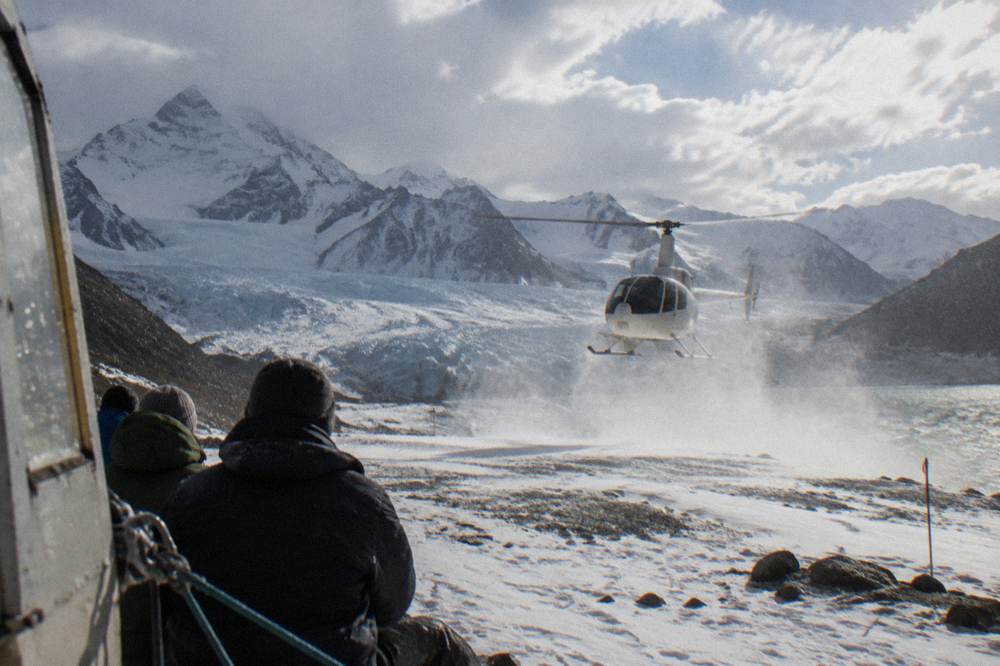
Where a flight states snow time, it ranges from 5 to 15 minutes, and only some of the 29 landing flights state it at all. The Mount Cook Ski Planes landing flights generally allow 10 to 15 minutes; The Helicopter Line's shorter products state 5 to 10 or 10 minutes. The heli-hikes are the exception, with up to two hours on the Tasman glacier itself.
A snow stop is a pause, not a visit. You step out, take photographs, feel the altitude and the quiet, and the aircraft leaves again within the stated window. Mount Cook Ski Planes and Helicopters asks passengers to bring warm layers, sunglasses against snow glare and sturdy closed-toe shoes, and landing sites run a few degrees cooler than the airfield. That is enough for many travellers; the photos alone carry the extra fare. But go in with the right expectation of scale.
| Flight | Landing type | Time on snow as stated |
|---|---|---|
| Glacier Highlights flights (Mount Cook Ski Planes, 45 min) | Glacier | 10-15 min |
| Grand Circle flights (Mount Cook Ski Planes, 55 min) | Glacier | 10-15 min |
| Mountains High 40-Minute Helicopter Flight | Glacier | 5-10 min |
| Alpine Explorer Helicopter Flight | Alpine | 10 min |
| Fox Glacier and Mount Cook flight with snow landing | Snow | 10 min |
| Franz Josef Mountain Scenic Spectacular | Snow | 5-10 min |
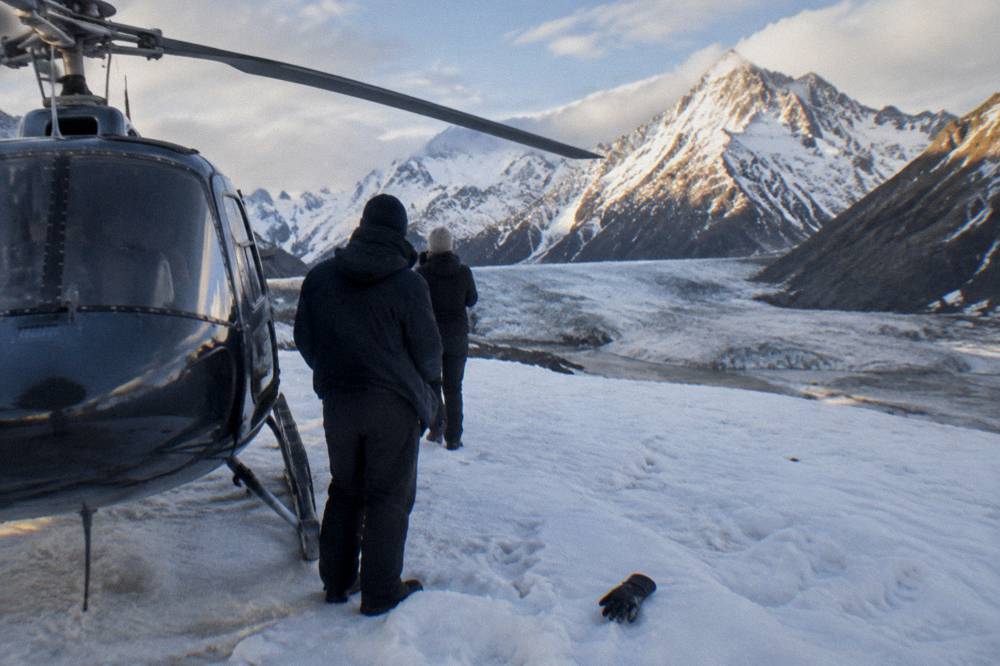
Travellers who want more than minutes have one real option in this set: the heli-hikes. The Mount Cook: 3-Hour Tasman Glacier Helicopter Ride and Hike from Mt Cook Glacier Guiding, rated 4.9 across 347 reviews and from $558.00 per person, includes about 15 minutes of flying each way and up to two hours walking on the glacier with a guide. The Helicopter Line's 3-Hour Heli Hike to the Tasman Glacier is the same price at from $558.00, rated 4.8 across 270 reviews, with a stated minimum age of 10. If the snow stop versus flyover question is really a question about time on the ice, the heli-hike is the honest third answer. The safety angle is covered in the post on whether a glacier landing flight is safe.
Can A Flyover Still Show You More Than A Landing At Mount Cook?
Yes, in one specific way: range. A fixed-wing flyover covers more country in an hour than a short landing flight covers in its whole trip, because it never spends minutes on the ground. The Air Safaris Mount Cook and Beyond flight from Lake Tekapo is a 50-minute flight, rated 4.9 across 139 reviews, from $317.00 per person, and every seat on its aircraft is a window seat.
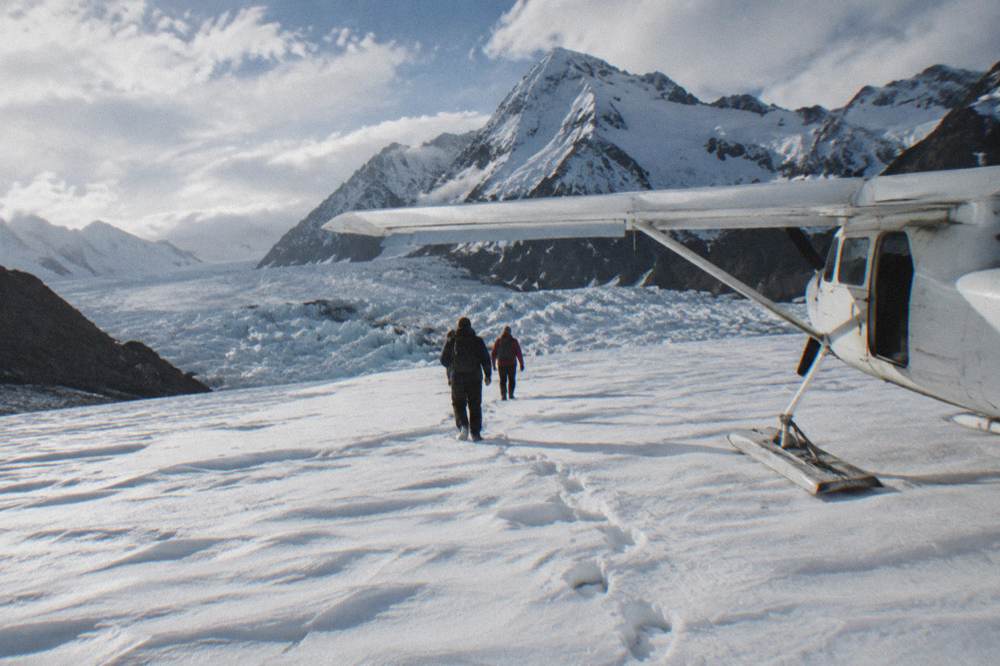
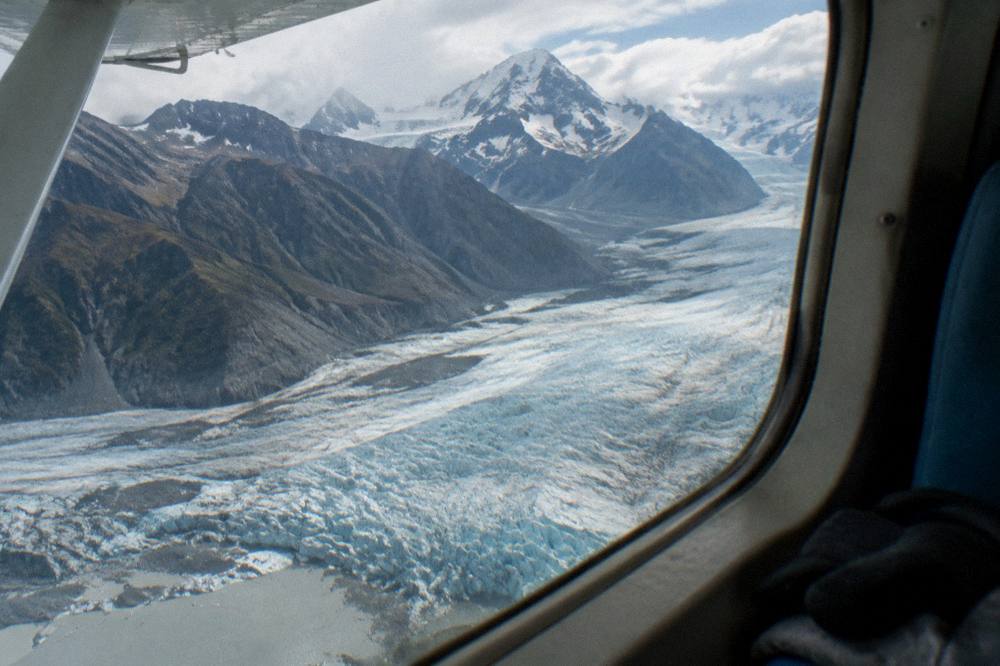
Air Safaris flies aircraft carrying 7 to 13 passengers with a window seat for each, which removes the helicopter lottery of where you sit. The trade is altitude and intimacy: a fixed-wing flight keeps more distance from the ice, cannot land, and gives you the architecture of the Southern Alps rather than the texture of the snow. For photographers chasing the grand pattern of the Main Divide, that is arguably the better product. For travellers who want to feel the glacier under their boots, no flyover substitutes.
The West Coast snow landings sit between the two poles. The Mt Cook and Fox Glacier flight with snow landing from HeliServices.NZ, rated 4.6 across 21 reviews, from $271.15 per person for 30 minutes, overflies Fox and Aoraki / Mount Cook and stops on snow. It costs less than the Tekapo flyover while still touching down, which makes it a useful proof that price follows route and base, not landing alone.
Where the West Coast and Mount Cook bases genuinely differ is in weather exposure, and the guide to West Coast versus Mount Cook flight weather explains the climate split. NIWA's seasonal outlook for November 2026 to January 2027 favours above-normal rainfall in the Southern Alps, which is a reason to hold flexible plans whichever side you fly from, and no reason at all to skip the idea.
What Happens If Weather Cancels The Landing Or The Flight?
Each operator sets its own weather terms, so read the specific flight's policy before booking. All 34 booking pages state free cancellation up to 24 hours before the start for a full refund, but that is a booking rule, not a weather promise. Weather cancellations, rebooking and refunds are handled per operator, and the final call can come late, sometimes shortly before departure.
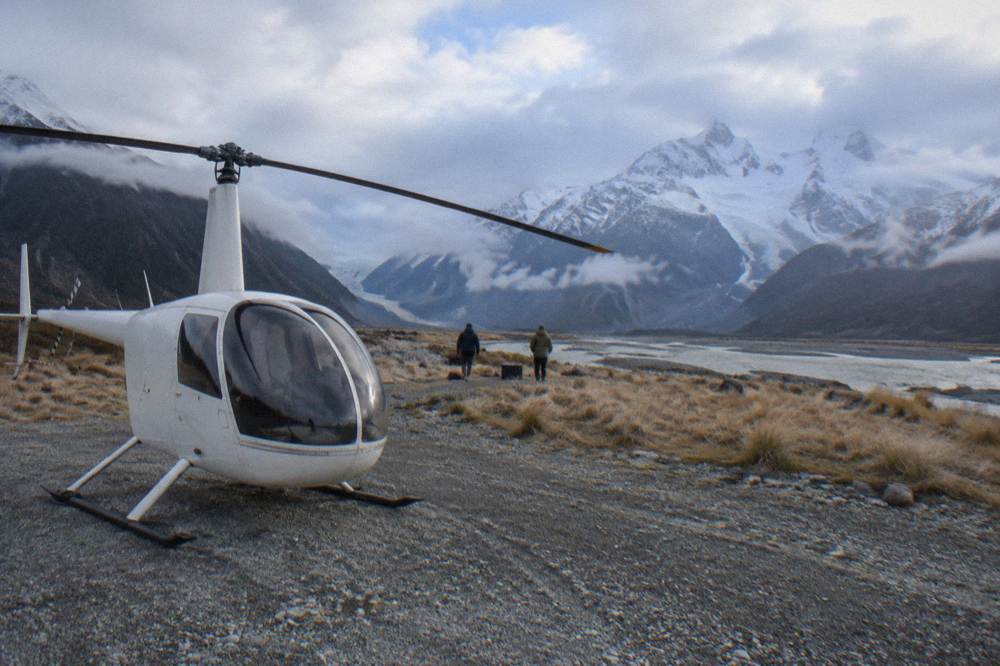
Mount Cook Ski Planes says the weather decision can arrive any time from early morning to about ten minutes before departure, which is why operators consistently advise booking the first day of a stay so a later day remains as backup. The Helicopter Line makes its final weather call about an hour before departure and offers a new date or a full refund when weather cancels. Glacier Helicopters says flights, landings and routes may vary with weather and at the pilot's discretion. The Air Safaris policy recommends booking your first available day at Tekapo for maximum flexibility, and its own wording says it flies on up to 85 percent of days in its October to April main season.
| Operator | Weather terms in its own words |
|---|---|
| The Helicopter Line | Weather cancellation means a new date or a full refund |
| Mount Cook Ski Planes and Helicopters | Weather cancellations are fully refundable; the call can come as late as about ten minutes before departure |
| Glacier Helicopters | Flights, landings and routes may vary due to weather and at the pilot's discretion |
| Air Safaris | All flights subject to favourable weather; book your first available day for flexibility |
| Mt Cook Glacier Guiding | The trip is weather dependent |
Note what is absent from that table: none of it guarantees a landing, on any flight, from any base. The Department of Conservation's guidance on alpine conditions, and the NZTA journey conditions service for the drive in, are worth a look the evening before an early flight. NIWA publishes the seasonal outlooks NIWA's seasonal outlook gives the climate context above.
Glacier Landing Or Flyover At Mount Cook: Which Should You Book?
Book a glacier landing if standing on the ice is the memory you are chasing and your budget starts around $280.00 per person. Book a flyover if the big picture of the Southern Alps matters more than the snow stop, or if your party includes someone who prefers a larger cabin, as on the Air Safaris flight where every seat is a window seat. Book the heli-hike if minutes on snow will not be enough.
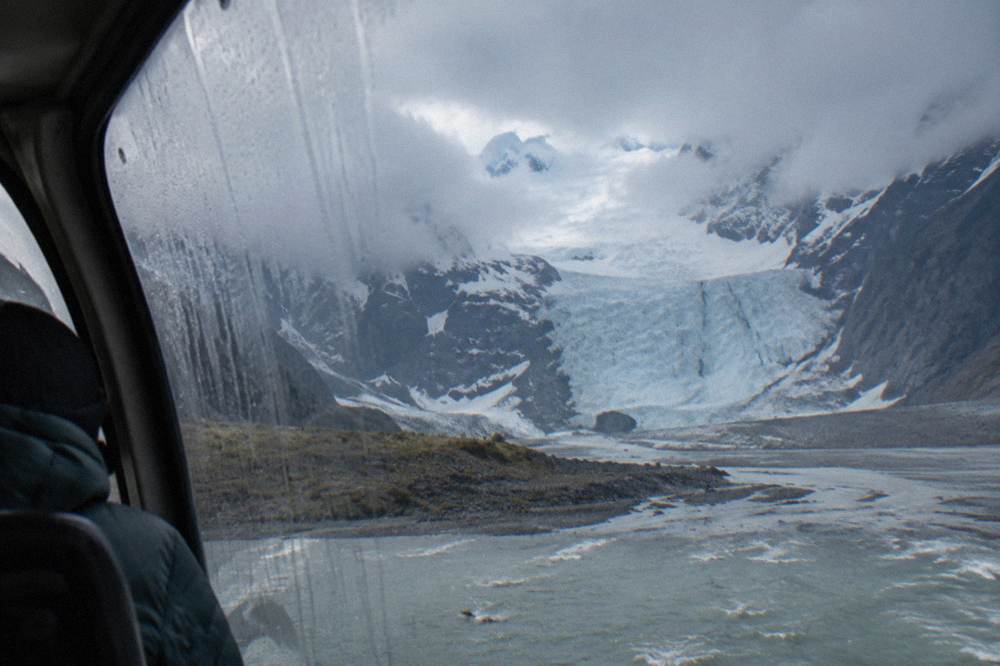
The decision rarely comes down to money alone, because the cheapest landing here ($196.00, alpine) costs less than the cheapest flyover ($317.00 from Tekapo). It comes down to what the stop is worth to you, how much schedule risk you can absorb, and where you are based. Departing from Mount Cook itself gives the shortest, cheapest routes to the Tasman; departing from Tekapo, Queenstown or the West Coast buys convenience of location at the cost of flight time over country you will cross anyway.
| If you want... | Book this type | Example flight |
|---|---|---|
| To stand on a glacier, lowest fare | Glacier landing | Ski Plane and Helicopter Glacier Combo, from $280.00 |
| The cheapest flight with any landing | Alpine landing | Scenic Helicopter Flight with Alpine Landing, from $196.00 |
| Maximum scenery, no landing | Fixed-wing flyover | Mount Cook and Beyond Scenic Flight, from $317.00 |
| Real time on the ice | Heli-hike | 3-Hour Tasman Glacier Helicopter Ride and Hike, from $558.00 |
| To fly from the West Coast | Snow or glacier landing | Fox and Franz Josef flights, from $246.55 |
Anyone leaning toward the glacier landing should also read the guide to how cold it actually feels on the snow and what to wear before packing.
Whichever way you lean, book the first day of your stay rather than the last, keep the free cancellation window in mind as plans firm up, and treat the glacier landing as a plan, never a promise. The mountain makes the final call, and the flights covered here are priced and reviewed openly enough that you can make the trade with your eyes open.
Common Questions About Glacier Landing Vs Flyover At Mount Cook
Is A Glacier Landing Worth The Extra Cost Over A Flyover At Mount Cook?
Only you can weigh the memory of standing on the ice against the fare. The gap is smaller than most travellers expect: the cheapest alpine-landing flight is from $196.00 per person and the cheapest named glacier landing from $280.00, against flyovers from $317.00. If the snow stop is the point of the trip, the landing flights justify themselves; if the panorama is the point, the flyover serves it well.
Can A Landing Be Cancelled Even On A Landing Flight?
Yes. No flight here promises a landing: weather and the pilot decide on the day. Glacier Helicopters says it aims for a landing and tells guests at check-in if one may not happen, and Mount Cook Ski Planes says the weather call can come as late as about ten minutes before departure.
Do Any Flyover Flights Land Anywhere?
The three fixed-wing flyovers in this comparison have no landing: the Air Safaris Tekapo flight and the two Queenstown day-trip products. Their aircraft are not equipped for glacier work, and their price of admission is range and window views instead.
How Long Do You Stand On The Snow During A Landing?
Where a flight states it, snow time runs 5 to 15 minutes. The Mount Cook Ski Planes landing flights generally allow 10 to 15 minutes; shorter helicopter products state 5 to 10 or 10 minutes. The heli-hikes are the exception, with up to two hours on the glacier.
Is A Snow Landing The Same As A Glacier Landing?
No. A glacier landing names the glacier, usually the Tasman. A snow landing sets down on snow without naming a glacier. Both are landings, but they are different products, and only the glacier landing puts the booking's word on the ice itself.
Which Is Better If The Weather Might Turn?
Both depend on weather. Book the first day of your stay so a later day remains as backup, and check the specific operator's weather terms: The Helicopter Line offers a new date or a full refund on weather cancellation, while others refund or reschedule on their own stated terms.